
 (610) 486-5590
 810 Darby Rd, Havertown, PA 19083, United States
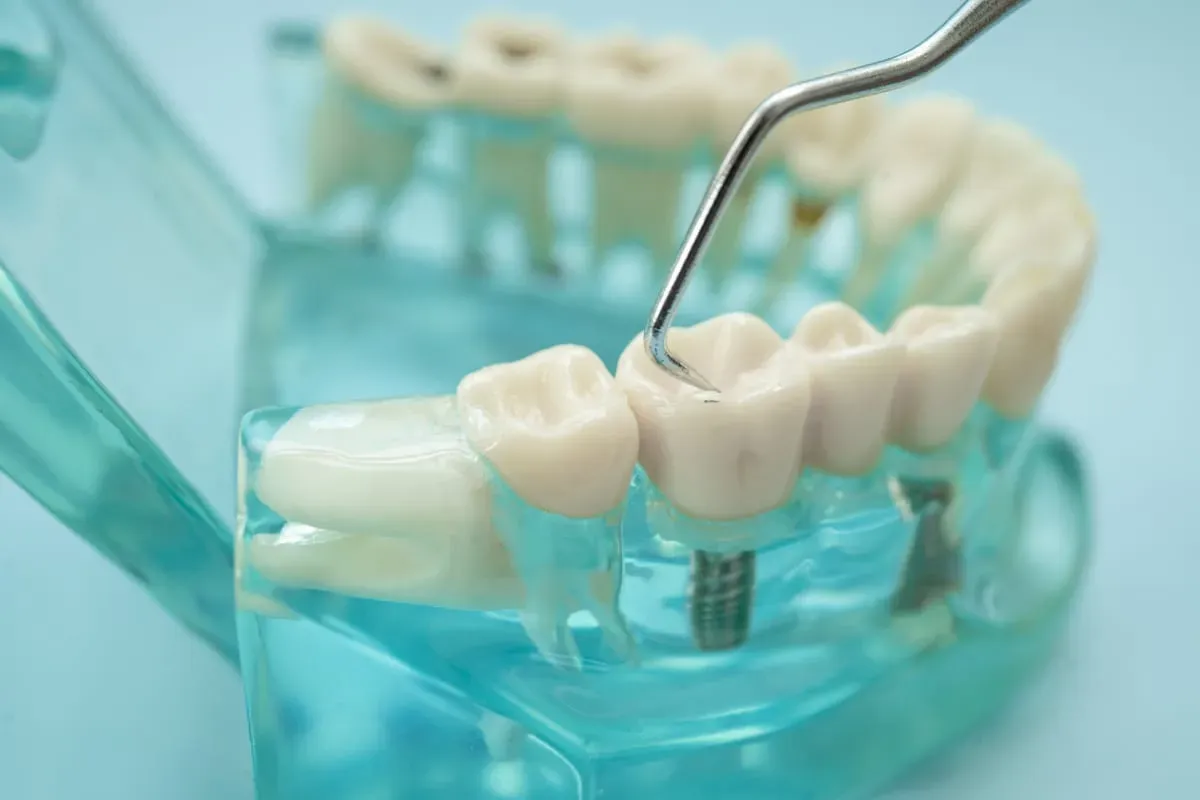
Most people do not think much about their teeth until something hurts, chips, or stops working the way it should. A filling that fell out years ago, a molar that cracked while biting into something hard, or a missing tooth you have simply learned to live around — these are the everyday problems that restorative dentistry is built to solve. It is not about changing how your smile looks for cosmetic reasons; it is about repairing what is broken so your mouth functions properly again.
For patients in Haverford Township, understanding what restorative dentistry actually covers can make a real difference in how quickly a small problem gets addressed before it becomes a bigger, more expensive one. Decay, fractures, and tooth loss rarely improve on their own, and waiting usually means more extensive treatment later. This article walks through the most common restorative procedures, how to tell when you need one, and what to expect from start to finish.
Whether you are dealing with a toothache right now or just want to understand your options before your next checkup, this guide will give you a clear, practical picture of what modern restorative care looks like at a general dental practice.
What Restorative Dentistry Actually Covers
Restorative dentistry is the branch of dental care focused on repairing teeth that have been damaged by decay, injury, or wear, and replacing teeth that are missing altogether. It is distinct from cosmetic dentistry, which focuses primarily on appearance. That said, the two often overlap in practice, since a well-placed crown or filling can both restore function and look completely natural in your smile.
The goal of any restorative procedure is to bring a tooth, or a section of your bite, back to normal health and function. That might mean removing decay and sealing a tooth with a filling, protecting a weakened tooth with a crown, or replacing a tooth you have lost with a bridge or implant. In more involved cases, restorative dentistry also includes treating the nerve of a tooth through root canal therapy when decay or infection has reached deep into the tooth structure.
General dentists handle the majority of restorative work, and most patients will need some form of it at some point in their lives. Decay is extremely common, teeth do crack under normal daily stress, and tooth loss affects a significant portion of adults as they age. Restorative dentistry simply addresses what happens after these everyday events occur.
Signs You May Need Restorative Treatment
Dental problems rarely announce themselves loudly at first. A small cavity might not hurt at all, and a hairline crack can go unnoticed for months before it worsens. That is part of why routine dental visits matter so much — your dentist can catch these issues with a visual exam, digital X-rays, or an intraoral scan long before you feel anything.
Still, there are warning signs worth paying attention to between visits. If you notice any of the following, it is worth scheduling an exam rather than waiting for your next scheduled cleaning.
- Sensitivity to hot or cold: Lingering discomfort after eating or drinking often points to decay or a weakened tooth surface that needs attention.
- Sharp pain while chewing: This can signal a crack, a loose filling, or decay that has reached the inner layers of the tooth.
- A visible chip or missing piece: Even a small fragment lost from a tooth can leave it vulnerable and should be evaluated promptly.
- A gap from a missing tooth: Open spaces can shift neighboring teeth over time and affect your bite if left unaddressed.
- A failing old filling or crown: Restorations do not last forever, and a worn edge can let new decay form underneath.
Common Restorative Procedures and How They Work
Restorative dentistry covers a range of treatments, and which one is right for you depends on how much natural tooth structure remains and where the damage is located. For a small cavity, a straightforward dental filling is usually enough. Your dentist removes the decayed portion of the tooth and fills the space with a tooth-colored composite material that bonds directly to the remaining structure, restoring both strength and appearance in a single visit.
When a tooth has lost too much structure for a filling to hold up, a crown is often the better option. A porcelain crown covers the entire visible portion of the tooth, protecting it from further cracking while restoring its natural shape and bite function. Crowns are also used after root canal therapy, since a treated tooth can become more brittle over time and benefits from that extra layer of protection.
Replacing a Missing Tooth
Missing teeth require a different approach altogether. A dental implant replaces both the root and the crown of a tooth, offering the closest thing to a natural tooth in terms of stability and chewing strength. For patients missing several teeth in a row, a dental bridge anchors a replacement tooth to the adjacent natural teeth, while patients missing most or all of their teeth may be better suited to dentures, which have advanced significantly in comfort and natural appearance over the years.
For teeth that have cracked but are not beyond saving, treatments range from bonding for minor fractures to full crown coverage for more significant cracks. A thorough exam is the only way to know which approach fits your specific situation, which is why cracked or chipped teeth should always be assessed by a dentist rather than left untreated.
What to Expect During Treatment and Recovery
One of the most common concerns patients bring up before restorative treatment is discomfort. In reality, most procedures involve local anesthesia, and patients feel pressure rather than pain during the appointment itself. A simple filling typically takes well under an hour, and you can usually eat and drink normally once the numbness wears off, aside from waiting a short period if a temporary sensitivity to pressure develops.
Crowns, bridges, and implants generally require more than one visit. The first appointment usually involves preparing the tooth, taking impressions or digital scans, and placing a temporary restoration while your permanent one is custom-made. A second visit is scheduled to fit and cement the final piece. Implants take longer overall, since the bone needs time to heal and fuse around the implant post before the final crown is attached, a process that can take a few months depending on your individual healing.
Mild soreness or sensitivity after a procedure is normal and typically resolves within a few days. Your dentist will give you specific aftercare instructions based on the treatment performed, and it is worth following them closely, particularly around what to eat and how to clean the treated area, to support proper healing.
Protecting Your Restoration for the Long Term
A restoration is only as good as the care it receives afterward. Fillings, crowns, bridges, and implants are all built to withstand normal biting forces, but they are not indestructible. Grinding your teeth at night, chewing ice, or using your teeth to open packaging can shorten the life of any restoration, no matter how well it was placed.
If you grind your teeth, a custom night guard can protect both your natural teeth and any restorative work from excess wear while you sleep. Athletes should also consider a properly fitted sports mouth guard to prevent fractures during physical activity, since a single impact can undo years of careful dental work in an instant.
Routine checkups remain the single most effective way to catch small problems with a restoration before they become bigger ones. A crown margin that starts to loosen, a filling that develops a small gap, or an implant crown that shifts slightly are all things your dentist can identify and correct early during a regular visit, often before you notice any symptoms at all.
Choosing a Restorative Dentist in Haverford Township
Not every restorative case is the same, and experience matters when it comes to matching the right treatment to your specific situation. A dentist who regularly performs fillings, crowns, bridges, and implant restorations will be better equipped to spot subtle issues, such as a crack that extends below the gumline or decay hiding beneath an old filling, that a less experienced eye might miss.
Local access also matters more than people often realize. Restorative treatments frequently require multiple visits, and choosing a practice close to home in Haverford Township means fewer scheduling headaches and faster access to care if something feels off between appointments. It also makes it easier to return quickly if you experience sudden pain or a cracked tooth, which sometimes calls for same-day emergency dental care rather than a routine appointment.
Key Takeaways
- Restorative dentistry repairs decayed, cracked, or broken teeth and replaces missing ones to restore full function.
- Common signs you may need treatment include sensitivity, pain while chewing, visible chips, or a failing old restoration.
- Treatment options range from simple fillings to crowns, bridges, dentures, and implants, depending on the extent of damage.
- Most procedures involve little to no downtime, though crowns, bridges, and implants require multiple appointments.
- Protective measures like night guards and regular checkups significantly extend the life of any restoration.
Frequently Asked Questions
How do I know if I need a filling or a crown?
The decision depends on how much healthy tooth structure remains. If decay is limited and the tooth's outer walls are still strong, a filling is usually sufficient. If a large portion of the tooth is compromised or previously filled areas have failed, a crown provides the coverage needed to prevent further breakdown. Your dentist will determine this through an exam and X-rays.
Does restorative dental work hurt?
Most restorative procedures are performed under local anesthesia, so you should feel pressure rather than pain during treatment. Mild soreness afterward is common and typically fades within a few days. More involved procedures may involve slightly more recovery time, but your dentist will walk you through what to expect beforehand.
How long do restorations like fillings and crowns last?
Fillings generally last 7 to 15 years depending on material and location, while crowns often last 10 to 20 years with proper care. Lifespan varies based on your bite habits, oral hygiene, and whether you wear a night guard if you grind your teeth. Regular checkups help identify wear before it leads to bigger problems.
Is it better to replace a missing tooth with an implant or a bridge?
Both are effective, but they work differently. An implant replaces the tooth root directly and does not involve the neighboring teeth, while a bridge relies on adjacent teeth for support. Implants typically require healthy jawbone and a longer treatment timeline, while bridges can often be completed faster. Your dentist can help weigh the right option for your bite and bone health.
Can a cracked tooth always be saved with restorative dentistry?
Many cracked teeth can be repaired, particularly if the crack has not extended into the root or below the gumline. Treatment ranges from bonding to crowns to root canal therapy, depending on severity. In rare cases where the crack is too extensive, extraction followed by an implant or bridge may be the more reliable long-term solution.
Taking the Next Step Toward a Healthier Smile
Restorative dentistry exists to solve real, everyday problems, not just to fix things in the abstract. A tooth that hurts when you chew, a gap you have grown used to covering with a smile, or an old filling that has started to wear down are all fixable issues with well-established, reliable treatments behind them. The sooner these problems are addressed, the simpler and less invasive the solution tends to be.
If you have been putting off a dental concern, consider this your reminder that most restorative issues get more complicated, not less, the longer they wait. A timely exam can often mean the difference between a simple filling and a more extensive procedure down the road, so there is real value in addressing concerns while they are still small.