
 (610) 486-5590
 810 Darby Rd, Havertown, PA 19083, United States
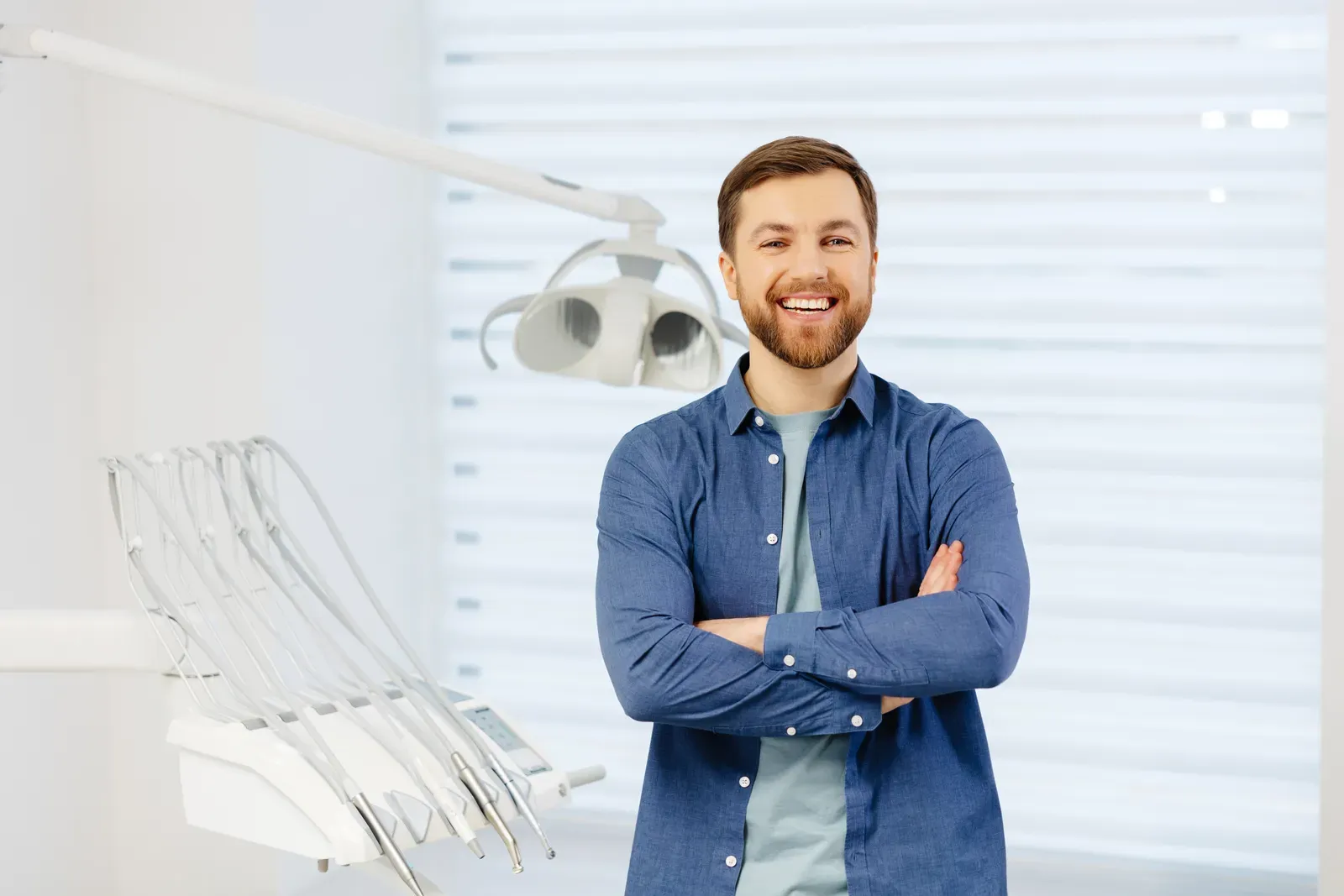
A smile says a lot before you ever say a word, and many of our patients in Haverford Township tell us the same thing: they want to feel comfortable smiling in photos, during conversations, and at work without second-guessing how their teeth look. Cosmetic dentistry has grown far beyond simple whitening treatments. Today it covers a whole range of options designed to correct chips, gaps, discoloration, and wear while keeping your teeth healthy and functional for years to come.
What makes modern cosmetic dentistry different from the quick fixes of years past is how personalized it has become. No two smiles age or wear the same way, so the right plan for a patient in their twenties looking to close a small gap is rarely the same plan that works for someone in their fifties addressing decades of coffee stains and old fillings. At Havertown Dental Arts, we spend real time understanding what bothers you about your smile and what you actually want it to look like before recommending anything.
This article walks through the most common cosmetic treatments available today, how to think about which one fits your situation, and what the process typically looks like from first consultation to finished result. Whether you're considering a single tooth repair or a full smile makeover, understanding your options makes it easier to have a productive conversation with your dentist.
What Actually Counts as Cosmetic Dentistry
Cosmetic dentistry refers to any treatment focused primarily on improving how your teeth and smile look, though in practice, most cosmetic treatments also improve function or oral health along the way. A chipped tooth repaired with bonding looks better, but it's also protected from further damage. A crown placed over a worn molar restores both appearance and chewing strength. The line between "cosmetic" and "restorative" dentistry is blurrier than most people assume.
The most requested cosmetic services we see at our Haverford Township practice include teeth whitening, dental bonding, porcelain veneers, and crowns used for front teeth. Some patients also come to us because gum irregularities or tooth alignment affect how their smile looks, which opens the door to a broader conversation about treatment options. Our cosmetic dentistry services are built around this reality: your smile concerns rarely fit into one single category.
It's worth saying plainly that cosmetic dentistry isn't only for people with significant dental issues. Many of our patients simply want subtle refinement: a shade or two whiter, a small gap closed, one chipped edge smoothed. Good cosmetic dentistry respects the natural shape of your face and your existing teeth rather than pushing toward a uniform, artificial look.
Whitening and Bonding: The Simplest Starting Points
For many patients, the first step into cosmetic dentistry is professional teeth whitening. Over-the-counter strips and gels can lighten enamel somewhat, but professional-grade whitening performed in our office, or with a custom take-home kit we provide, produces more even and longer-lasting results. We also check your teeth for cavities and existing dental work before whitening, since fillings and crowns won't change shade along with your natural enamel.
Dental bonding is another accessible option, particularly for small chips, gaps, or discoloration on individual teeth. A tooth-colored composite resin is applied directly to the tooth, shaped by hand, and hardened with a curing light, often completed in a single visit without any need for anesthesia. It's one of the most conservative cosmetic treatments available because it typically requires little to no removal of existing tooth structure.
- Teeth whitening lightens stains caused by coffee, wine, tobacco, or simple aging, usually in one to two appointments.
- Dental bonding repairs chips, closes small gaps, and reshapes uneven edges using tooth-colored composite.
- Minimal time investment means most of these treatments fit into a lunch break or a single after-work appointment.
Veneers and Crowns for More Dramatic Changes
When whitening or bonding won't achieve the change a patient is looking for, porcelain veneers are usually the next consideration. A veneer is a thin shell of porcelain bonded to the front surface of a tooth, designed to correct uneven shape, persistent discoloration, or minor gaps all at once. Because veneers are custom-fabricated to match your facial structure and the color of surrounding teeth, they tend to look remarkably natural when designed well. Our dental veneers process typically involves a consultation, a preparation visit, and a fitting visit once your custom veneers are fabricated.
Porcelain crowns serve a similar cosmetic purpose for teeth that need more structural support, such as those with large old fillings, cracks, or significant wear. A crown covers the entire visible portion of the tooth rather than just the front surface, which makes it a strong option when a tooth needs both cosmetic improvement and reinforcement. We often recommend porcelain crowns for patients whose front teeth have been weakened by prior dental work or injury.
Choosing Between the Two
Veneers generally preserve more of the natural tooth and are favored for purely cosmetic goals, while crowns are better suited when a tooth has lost significant structure and needs full coverage for strength. We'll examine your teeth, review x-rays, and talk through your priorities before recommending one over the other, since the right answer depends on the condition of the tooth underneath, not just how you want it to look.
When Alignment Is Part of the Cosmetic Picture
Crowding, gaps, and bite irregularities affect how a smile looks just as much as tooth color or shape does. Many patients come to us assuming veneers or bonding are their only option, without realizing that straightening a few misaligned teeth first can sometimes produce a better, more conservative result. Clear aligner therapy has made this far more approachable than traditional braces for adult patients concerned about appearance during treatment.
Our SureSmile ® clear aligner system allows many patients to correct mild to moderate alignment issues discreetly over the course of several months, often clearing the way for whitening or minor bonding as a finishing touch rather than relying on veneers to mask a crowded bite. We use digital scanning technology to map out your treatment plan precisely, so you can see a projection of your results before committing to treatment.
This sequencing matters because it can reduce how much tooth structure needs to be altered later. Straightening teeth first sometimes means a patient who thought they needed four veneers only needs minor bonding on one or two teeth once their bite is corrected.
What Happens During a Cosmetic Consultation
A cosmetic consultation at our practice starts with a conversation, not a treatment plan. We ask what specifically bothers you about your smile, whether that's color, shape, spacing, or something harder to describe, and we look at photos or examples you may have brought in. From there, we complete a thorough oral exam, often supported by our digital X-ray technology, to check for decay, gum health, or structural issues that need addressing before any cosmetic work begins.
We also use our iTero intraoral scanner for many cosmetic cases, which lets us capture a precise digital model of your teeth and, in some cases, show you a simulated preview of potential results. This step helps set realistic expectations and gives you a clearer sense of what a treatment will actually look like on your own teeth, rather than relying on generic before-and-after photos from other patients.
From there, we discuss timeline, cost, and whether your treatment can be completed in stages. Many patients prefer to spread cosmetic work over multiple visits or months, both for budgeting reasons and to adjust gradually to changes in their smile.
How Long Results Last and How to Protect Them
Longevity varies quite a bit depending on the treatment. Professional whitening results commonly last six months to two years depending on your diet and habits, while bonding typically holds up for five to ten years before it may need touch-ups or replacement. Porcelain veneers and crowns are built to last considerably longer, often ten to twenty years or more, provided they're cared for properly and you attend regular checkups.
Day-to-day habits make a real difference in how long cosmetic work lasts. Grinding your teeth at night, biting fingernails, chewing ice, or using your teeth as tools can chip bonding or crack porcelain well before its expected lifespan. If you grind your teeth, we may recommend night guards to protect both your natural teeth and any cosmetic restorations from excess wear while you sleep.
Routine dental visits remain essential even after cosmetic treatment is complete. We check the margins of veneers and crowns at your regular cleanings to catch any small issues, like a loose edge or minor staining at the gumline, before they become bigger problems.
Key Takeaways
- Cosmetic dentistry ranges from simple whitening to veneers and crowns, so treatment should match your specific concerns.
- Bonding and whitening offer conservative, lower-cost starting points for minor imperfections.
- Alignment issues are sometimes worth correcting first, which can reduce how much cosmetic work is needed later.
- A thorough consultation with digital imaging helps set realistic expectations before any treatment begins.
- Protecting your results with routine checkups and habits like wearing a night guard extends their lifespan significantly.
Frequently Asked Questions
Is cosmetic dentistry covered by dental insurance?
Most insurance plans don't cover purely cosmetic treatments like whitening, since they're considered elective. However, treatments like crowns or bonding that also address decay or damage may be partially covered. We review your benefits with you and explain what's likely covered before any work begins.
How do I know if I need veneers or just whitening?
If your concern is simply the color of your teeth and the shape and alignment look fine to you, whitening alone may be sufficient. Veneers make more sense when you're dealing with shape irregularities, persistent discoloration that whitening can't fix, or gaps you'd like closed. We'll help you figure this out during your consultation.
Does cosmetic dental work hurt?
Most cosmetic procedures, including bonding and whitening, involve little to no discomfort. Veneer and crown preparation may require local anesthetic since a small amount of enamel is typically reshaped, but patients generally describe the process as comparable to getting a filling, with minimal soreness afterward.
Can cosmetic dentistry fix a cracked or broken tooth?
Yes, in many cases bonding, a veneer, or a crown can restore both the appearance and strength of a cracked tooth. If the crack is more significant or involves the tooth's nerve, you may need additional treatment first; we offer cracked tooth repair to address the underlying damage before any cosmetic finishing work.
How soon will I see results after starting cosmetic treatment?
Whitening and bonding often produce visible results in a single visit. Veneers and crowns typically require two to three visits over a few weeks since they're custom-fabricated, while alignment-related cosmetic improvements take longer, generally several months, depending on your starting position.
Finding the Right Approach for Your Smile
Cosmetic dentistry works best when it's treated as a personal decision rather than a one-size-fits-all service. The goal isn't to chase a single idea of a "perfect" smile but to address what genuinely bothers you while respecting the natural structure and health of your teeth. Whether that means a simple whitening treatment before a big event or a more involved plan combining alignment, bonding, and crowns, the right path depends entirely on your starting point and your goals.
If you've been putting off addressing something about your smile, a conversation with your dentist is a low-pressure way to understand your realistic options and what they involve. Our team at Havertown Dental Arts has walked many patients in Haverford Township through exactly this process, and we're glad to do the same for you whenever you're ready to take the first step.