
 (610) 486-5590
 810 Darby Rd, Havertown, PA 19083, United States
Early & Late Hours For Your Convenience
(610) 486-5590
810 Darby Rd, Havertown, PA 19083, United States
Early & Late Hours For Your Convenience
(610) 486-5590
Oral Surgery
Gentle, expert removal of impacted or problematic wisdom teeth, performed close to home in Haverford Township.
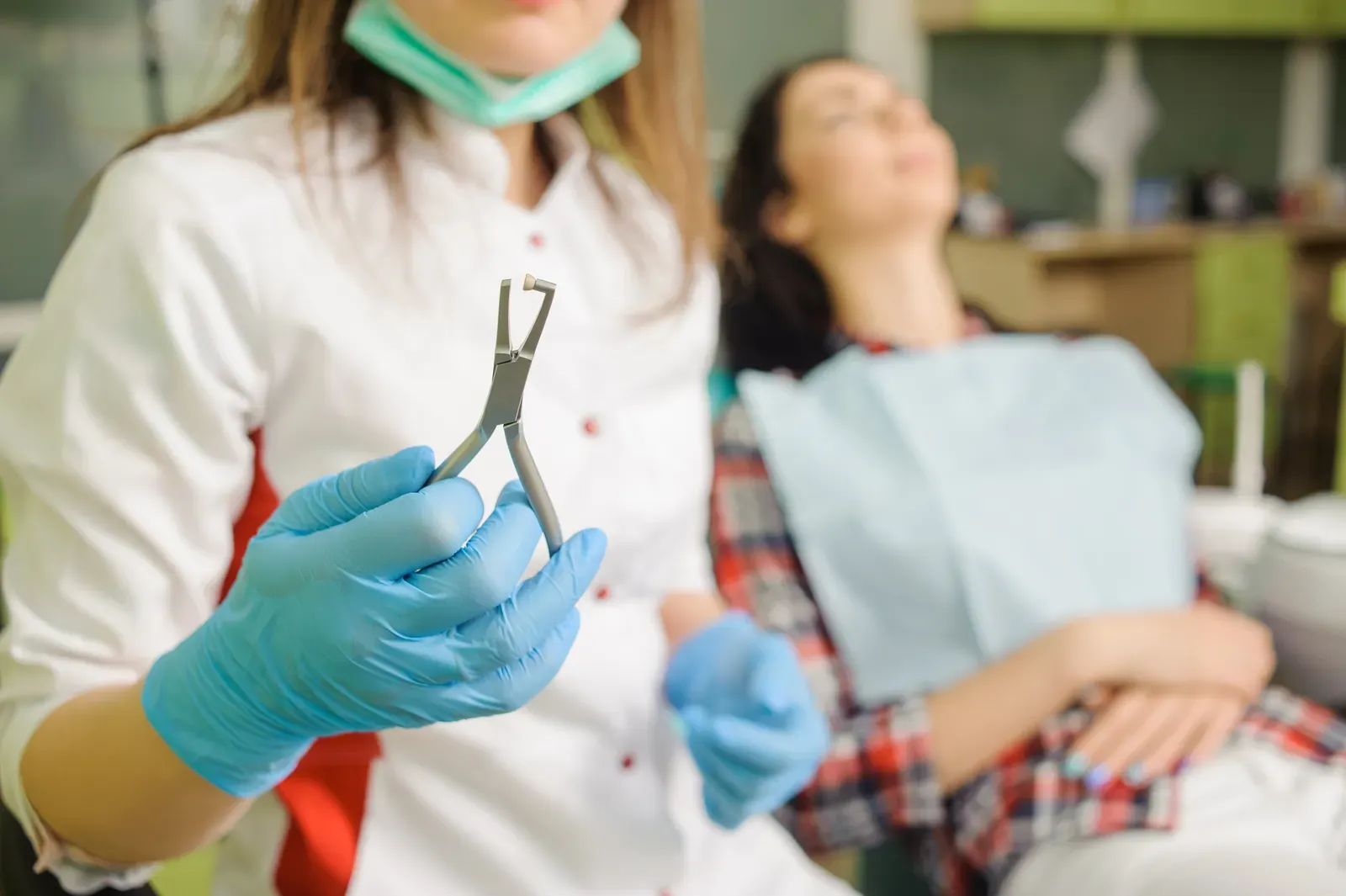
When wisdom tooth pain strikes without warning, you need a dental team you can count on right away. As a trusted emergency dentist in Haverford Township, Havertown Dental Arts provides prompt evaluations and skilled extractions for patients of all ages, helping you avoid prolonged discomfort and more serious complications down the road.
Wisdom teeth, the third molars located at the back of the mouth, may or may not require removal. Improper growth of these teeth can lead to complications. Our dental practice specializes in advanced oral surgery, including wisdom teeth extractions. If you are experiencing issues with your wisdom teeth, we encourage you to contact us for a consultation.
While wisdom teeth extractions are not always necessary, they often become a common occurrence for young adults. The removal of these additional teeth is often recommended to prevent future dental damage and unnecessary pain. If there is a family member aged between 17 and 25, we urge you to reach out to us promptly. It is crucial to assess whether wisdom tooth extractions at our dental office will be required as early as possible.
Our office is designed to put nervous patients at ease, from the moment you walk in until your procedure is complete.
We explain every step in plain language, so you always understand what to expect before, during, and after your extraction.
Dental anxiety is common, especially before oral surgery. Our team takes the time to calm nerves and build genuine trust.
New Patients & Emergency Appointments Welcome! Call Us Today.
Wisdom teeth do not always announce themselves with sharp pain right away. Many patients notice subtler signals first, and recognizing these early can make the difference between a straightforward removal and a more complicated surgery. If you or a family member are noticing any of the following, it is worth scheduling an evaluation before the situation worsens.
If your wisdom teeth are able to erupt normally without causing future oral health issues, extraction may not be necessary. However, in many cases, there is insufficient space in the mouth for these additional teeth, leading to their impaction beneath the gums. This can result in growth at an unfavorable angle, potentially damaging the roots of neighboring teeth and surrounding bone tissue. Consequently, impacted wisdom teeth are typically recommended for extraction.
Deciding whether removal is the right path requires a careful look at your x-rays, jaw size, and the angle at which each tooth is developing. We walk every patient through our findings so that the decision to extract, or to monitor and wait, is made together and with full confidence.
Choosing extraction before a problem fully develops protects far more than just the back of your mouth. Removing wisdom teeth at the right time safeguards your bite, your gum health, and the investment you have already made in your smile through braces, cleanings, and routine care.
We review your dental x-rays to see exactly how each wisdom tooth is positioned and whether it is impacted, angled, or erupting normally.
We discuss findings with you directly, explain whether extraction is recommended, and answer every question about the procedure and anesthesia options.
Using local anesthesia or sedation, we carefully remove the affected tooth or teeth, keeping you comfortable throughout the procedure.
Before you leave, we go over detailed aftercare guidance and are available if you have any concerns during healing.
Following the surgery, it is important to allocate the remainder of the day for rest. As soon as the numbness in your mouth subsides and you begin to experience discomfort, take the prescribed pain medications. Applying an ice pack to the surgical site on your face is recommended. For the next few days, it is advisable to consume soft foods like mashed potatoes, gradually transitioning to a more solid diet as your recovery progresses.
Wisdom teeth are the third and final set of molars, typically located at the very back of the upper and lower jaw. They usually begin emerging between the late teens and mid-twenties, which is why they are named for the age of greater maturity.
Most mouths do not have enough room for a third set of molars. When space is limited, wisdom teeth become impacted beneath the gums or erupt at an angle, which can damage nearby teeth, trap bacteria, and lead to infection or bone loss if not removed.
The extraction itself is performed under local anesthesia or sedation, so you should not feel pain during the procedure. Some soreness, swelling, and mild discomfort are normal afterward, and we provide pain medication and clear aftercare guidance to keep you comfortable while you heal.
The ideal window is typically between ages 17 and 25, when the tooth roots are not yet fully developed and the surrounding bone is more pliable, which generally makes the surgery easier and recovery faster. Our team evaluates x-rays to determine the right timing for each patient.
Plan to rest for the remainder of the day following surgery. Once numbness wears off, take prescribed medication as needed and apply ice to reduce swelling. Stick to soft foods like mashed potatoes for the first few days, gradually returning to a normal diet as healing progresses over the following week.
BOOK YOUR VISIT
Join the Havertown families who trust Havertown Dental Arts. New patients and emergencies are always welcome.